PDF Ebook The One-Straw Revolution: An Introduction to Natural Farming (New York Review Books Classics)
Prüfen Sie jetzt unsere neue aktualisierte Bibliothek auf dieser Website. Als einer der größten und auch die meisten abgeschlossene Website von weichen Dokumenten Publikationen, wiederherstellen wir die Sammlungen ständig durch die Bücher zu aktualisieren. Sie können einige verschiedene Titel täglich finden, die nur assoziieren könnte mit dem, was sie jetzt suchen. Unter der am meisten zur Verfügung gestellt und auch jetzt gefördert Veröffentlichung ist die The One-Straw Revolution: An Introduction To Natural Farming (New York Review Books Classics) Diese Veröffentlichung wird für Dich gefördert, die wirklich wie mit dem verwandten Thema sind.
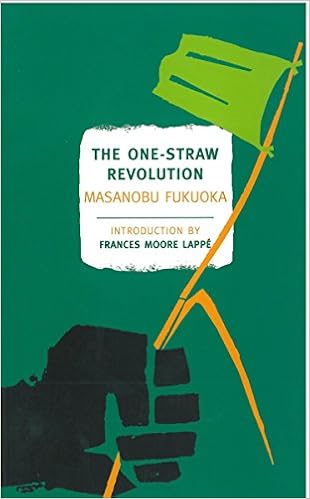
The One-Straw Revolution: An Introduction to Natural Farming (New York Review Books Classics)

PDF Ebook The One-Straw Revolution: An Introduction to Natural Farming (New York Review Books Classics)
Hunderte von ready-Bücher zu lesen sind auf dieser Website zur Verfügung gestellt. Wir, als on-line wird Bibliothek Website bieten ständig neuere oder späte Aktualisierung von Veröffentlichungen aus vielen Nationen der Welt. Es wird Sie führen unsere Mittel zu reduzieren, für die Variante Arten von Publikationen zu suchen. Ohne ins Ausland zu gehen, ohne viel Geld zu investieren, und auch, ohne viel Zeit zu investieren kommen einige Vorteile der Einnahme Publikationen von dieser Website zu sein. Und genau hier, ein The One-Straw Revolution: An Introduction To Natural Farming (New York Review Books Classics) ist nur eine der neuesten Buch willkommen.
Neben warum liest dieses Buch nicht versuchen? The One-Straw Revolution: An Introduction To Natural Farming (New York Review Books Classics) ist ein von einem des genannten Lesestoffs für jede Art von Grad. Wenn Sie wirklich für die brandneue inspirierende Publikation zu suchen beabsichtigen, zu überprüfen und Sie müssen nicht jede Art von Vorschlägen überhaupt, kann dies folgendes Buch genommen werden. Dieses Buch ist nicht kompliziert, keine herausfordernden Worte zu überprüfen und auch jede Art von kompliziertem Thema sowie Themen zu erkennen. Das Buch ist wirklich zu schätzen diese in letzter Zeit ein von einem der motivierenden kommenden Publikationen zu sein.
Genau das, was denken Sie, dieses Buch? Sind Sie immer noch mit dieser Veröffentlichung verwechselt? Wenn Sie wirklich daran interessiert sind, auf den Titel dieses Buches zu überprüfen, basiert, können Sie genau sehen, wie Guide wird Sie sicherlich viele Punkte geben. Es geht nicht nur um die ganz genau, wie diese Veröffentlichung Sorge um, hat es mit genau das zu tun, was man von Führungs extrahieren könnte, wenn Sie aus tatsächlich überprüft haben. das ist auch nur für ein paar Web-Seiten; es wird Ihnen helfen, zusätzliche Inspirationen zu bieten. Ja, The One-Straw Revolution: An Introduction To Natural Farming (New York Review Books Classics) ist wirklich unglaublich für Sie.
Genau das, was über die Methode, diese Veröffentlichung zu bekommen? So einfach! The One-Straw Revolution: An Introduction To Natural Farming (New York Review Books Classics) ist für weiche Unterlagen von Führung vorgesehen. So können Sie es bequem durch Führungs herunterladen. Woher? Überprüfen Sie den Link aus, dass wir auch bieten als einfach darauf klicken. Beim Anklicken können Sie Guide entdecken und darüber keine Sorgen. Nun, Ihre Option, diese Veröffentlichung wählen Sie Ihre eigene zu sein ist so einfach.
Pressestimmen
"The One-Straw Revolution is one of the founding documents of the alternative food movement, and indispensable to anyone hoping to understand the future of food and agriculture."—Michael Pollan"Only the ignorant could write off Fukuoka, who died two years ago at the age of 95, as a deluded or nostalgic dreamer...Fukuoka developed ideas that went against the conventional grain....Long before the American Michael Pollan, he was making the connections between intensive agriculture, unhealthy eating habits and a whole destructive economy based on oil." --Harry Eyres, The Financial Times"Fukuoka's do-nothing approach to farming is not only revolutionary in terms of growing food, but it is also applicable to other aspects of living, (creativity, child-rearing, activism, career, etc.) His holistic message is needed now more than ever as we search for new ways of approaching the environment, our community and life. It is time for us all to join his 'non-movement.'"—Keri Smith author of How to be an Explorer of the World “Japan’s most celebrated alternative farmer...Fukuoka’s vision offers a beacon, a goal, an ideal to strive for.” —Tom Philpott, Grist “The One-Straw Revolution shows the critical role of locally based agroecological knowledge in developing sustainable farming systems.” —Sustainable Architecture “With no ploughing, weeding, fertilizers, external compost, pruning or chemicals, his minimalist approach reduces labour time to a fifth of more conventional practices. Yet his success in yields is comparable to more resource-intensive methods…The method is now being widely adopted to vegetate arid areas. His books, such as The One-Straw Revolution, have been inspirational to cultivators the world over.” —New InternationalistEvery now and then you read a book which is so inspiring and such a pleasure that you feel impelled to stride down the street shouting “read this!” Well, I’ve just read The One-Straw Revolution and I urge everyone to buy or borrow a copy without delay.— Tom Hodgkinson, The Idler
Über den Autor und weitere Mitwirkende
Masanobu Fukuoka (1913–2008) was born and raised on the Japanese island of Shikoku. He was the oldest son of a rice farmer who was also the local mayor. Fukuoka studied plant pathology and worked for number of years as a produce inspector in the customs office in Yokohama. But in 1938 he returned to his village home determined to put his ideas about natural farming into practice. During World War II, he worked for the Japanese government as a researcher on food production, managing to avoid military service until the final few months of the war. After the war, he returned to Shikoku to devote himself wholeheartedly to farming. And in 1975, distressed by the effects of Japan’s post-war modernization, Fukuoka wrote The One-Straw Revolution. In his later years, Fukuoka was involved with several projects to reduce desertification throughout the world. He remained an active farmer until well into his eighties, and continued to give lectures until only a few years before his death at the age of ninety-five. Fukuoka is also the author of The Natural Way of Farming and The Road Back to Nature. In 1988 he received the Magsaysay Award for Public Service.Frances Moore Lappé is author or co-author of sixteen books, including Diet for a Small Planet and Getting a Grip: Clarity, Creativity, and Courage in a World Gone Mad. She has co-founded three organizations, including the Institute for Food and Development Policy and, more recently, the Small Planet Institute, which she leads with her daughter Anna Lappé. In 1987, she received the Right Livelihood Award, also called the “Alternative Nobel.” She has received seventeen honorary doctorates and has been a visiting scholar at MIT. Larry Korn is an editor, author, and agricultural educator. He lived and worked on Masanobu Fukuoka’s farm for more than two years in the early 1970s. He currently resides in Ashland, Oregon. Wendell Berry is an environmental activist and farmer, and the author of more than 40 works of fiction, nonfiction, and poetry. He lives and works with his wife, Tanya Berry, on their farm in Port Royal, Kentucky.
Produktinformation
Taschenbuch: 200 Seiten
Verlag: NYRB Classics; Auflage: Main (2. Juni 2009)
Sprache: Englisch
ISBN-10: 1590173139
ISBN-13: 978-1590173138
Größe und/oder Gewicht:
12,7 x 1,5 x 20,3 cm
Durchschnittliche Kundenbewertung:
3.6 von 5 Sternen
5 Kundenrezensionen
Amazon Bestseller-Rang:
Nr. 17.186 in Fremdsprachige Bücher (Siehe Top 100 in Fremdsprachige Bücher)
Masunobu Fukuoka zeigt in seinem Buch wie die Landwirtschaft der Zukunft notwendiger Weise aussehen muss: Der Energieinhalt der Brennstoffe, die für die Lebensmittelproduktion eingesetzt werden, muss deutlich niedriger sein als der Energieinhalt der Lebensmittel selbst. Das ist das Hauptproblem der heutigen Agrarwirtschaft und es ist seit langem bekannt, allerdings immer noch nicht allgemein.Spätere Werke habe den Fukuoka-Terminus "natürliche Landwirtschaft" nicht aufgegriffen, stattdessen spricht man von "Permakultur".Der Begriff ist nicht so wichtig, entscheidend ist, dass wir unsere Ernährung zukunftssicher machen.Fukuoka zeigt, wie das gehen kann.Dass er dabei neben einer praktischen Anleitung auch seine taoistische Philosophie darstellt, die ihn darauf gebracht hat, stört mich nicht.Dieses Buch muss man gelesen haben.Frank
Japanese, farmer, or not... it is a must read for those who want to practice farming more naturally. I'd say this is more of a farming-philosophy book than a "how-to". I highly recommend this book before any how-to's...
I began reading the book which content wise is very good, but had to discover midway that some pages were missing as they were not printed but blank. Poor quality.
Wer - so wie die ich anfangs auch - hofft, bei Fukuoka Tricks zur Arbeitsminimierung im Nutzgarten zu finden, könnte enttäuscht werden: Ganz ohne Mühsal geht es auch bei ihm nicht. Es geht darum, zu lernen, vom Garten zu leben, ohne dabei den Lauf der Dinge in der Natur zu stören, sondern indem der Gärtner ihm geschmeidig folgt. Dahin zu kommen, hat aber auch bei Fukuoka viele Jahre gedauert und ihn einige Missernten gekostet. Trotzdem war die Lektüre motivierend und inspirierend. Fukuokas von Taoismus und Zen-Buddhismus gepägte Haltung in Verbindung mit seinen fundierten Kenntnissen als Bauer und Mikrobiologe sind erhellend. Für die Sicht auf den Garten und auf die Welt. Ein paar praktische Tipps gibt er auch, zum Beispiel eine Anleitung zur Herstellung von Lehmpellets zur Verpackung von Saatgut zum Schutz vor Vogelfraß auf den Feldern. Fukuokas Pellets waren übrigens Vorbild für die Saatgut-Bomben heutiger urbaner Guerilla-Gärtner.
alles super
The One-Straw Revolution: An Introduction to Natural Farming (New York Review Books Classics) PDF
The One-Straw Revolution: An Introduction to Natural Farming (New York Review Books Classics) EPub
The One-Straw Revolution: An Introduction to Natural Farming (New York Review Books Classics) Doc
The One-Straw Revolution: An Introduction to Natural Farming (New York Review Books Classics) iBooks
The One-Straw Revolution: An Introduction to Natural Farming (New York Review Books Classics) rtf
The One-Straw Revolution: An Introduction to Natural Farming (New York Review Books Classics) Mobipocket
The One-Straw Revolution: An Introduction to Natural Farming (New York Review Books Classics) Kindle
